Top 10 Benefits of Outdoor Substations for Modern Energy Solutions?
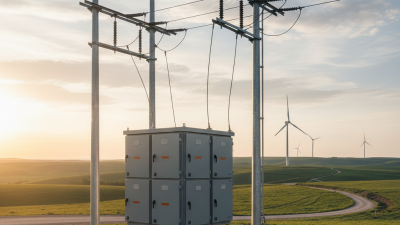
Outdoor substations play a crucial role in modern energy solutions. They offer various benefits that enhance the efficiency and reliability of power distribution. These installations are designed specifically to withstand environmental challenges, making them suitable for diverse locations.
One significant advantage of outdoor substations is their space-saving nature. They can be installed in areas with limited space, maximizing urban energy solutions. Cost efficiency is also a key aspect; outdoor installations often require lower capital investment compared to traditional indoor substations. However, it's essential to consider potential exposure to weather elements and wildlife.
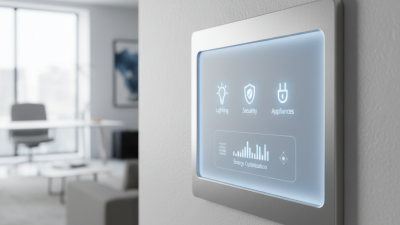
The integration of outdoor substations into smart grid technology is another notable benefit. This improves energy management and fosters renewable energy sources. While outdoor substations present several advantages, they also pose challenges. Issues such as noise and visual impact in residential areas must be thoughtfully addressed. Overall, outdoor substations represent a forward-thinking approach to energy infrastructure.
Advantages of Outdoor Substations in Reducing Land Footprint and Costs
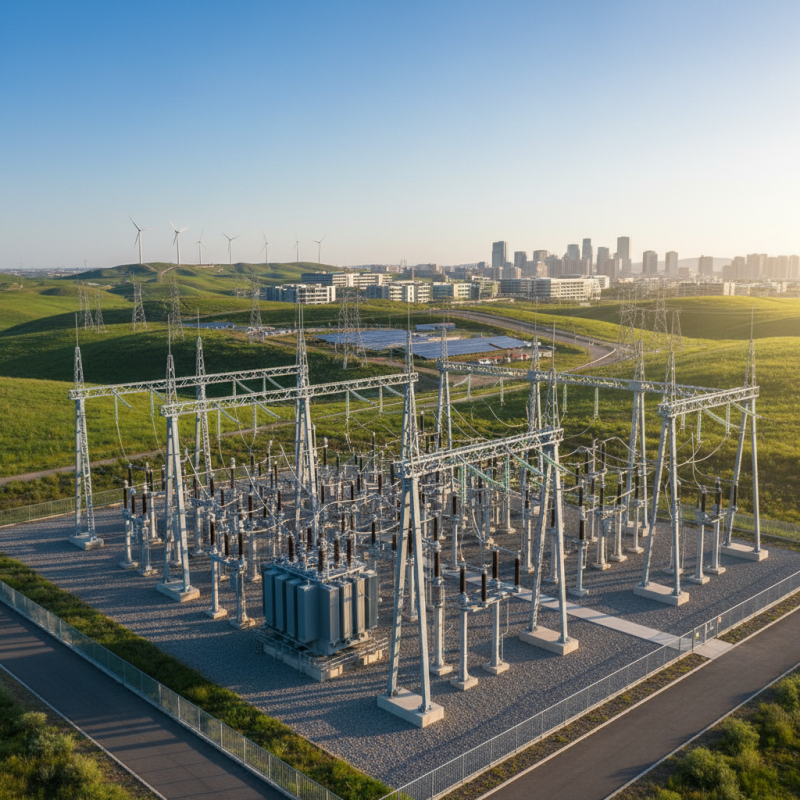
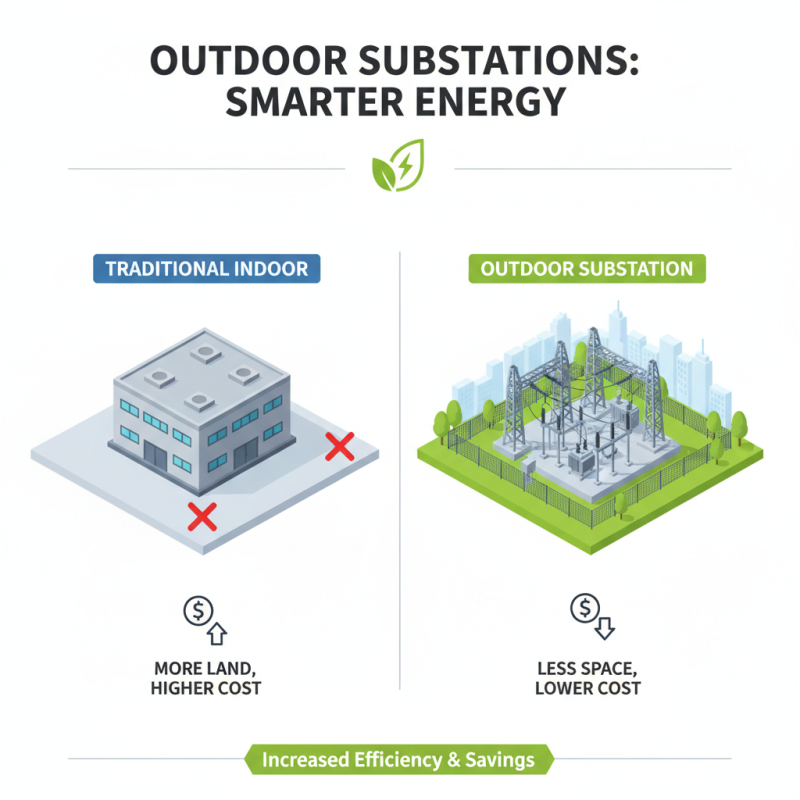
Outdoor substations offer significant advantages in energy management. One of the primary benefits is the reduction of land footprint. Traditional indoor substations require large buildings and structures. In contrast, outdoor substations use less space and can be placed closer to power demand areas. This effectiveness leads to lower land acquisition costs.
Building outdoor substations is often less complex. They don’t require the same extensive building codes and regulations as indoor stations. This can save both time and money on construction. However, it's vital to consider environmental factors. Prolonged exposure to outdoor elements can lead to wear and tear. Regular inspections and maintenance schedules are essential for long-term reliability.
**Tips**: Ensure all outdoor equipment is weather-resistant. Use local materials when possible for cost efficiency. Integrate smart technology for real-time performance tracking. This can prevent costly future repairs. Overall, outdoor substations are a promising solution, yet careful planning is essential.
Enhanced Accessibility and Maintenance for Outdoor Substations
Outdoor substations are essential for modern energy solutions. Enhanced accessibility is one of their key benefits. These structures can be located in strategic areas, close to high-demand zones. This proximity reduces transmission losses and increases efficiency. Easy access allows for swift repairs and upgrades, minimizing downtime. Maintenance tasks become quicker, which is critical in our fast-paced energy sector.
However, the design of outdoor substations poses challenges. Weather elements can impact accessibility. Rain, snow, or extreme heat might hinder maintenance work. It's vital to develop robust protocols to address these factors. Regular training for maintenance crews can help them adapt to different conditions. Furthermore, while outdoor substations offer many advantages, they can also face space limitations, affecting expansion plans in the future. This duality emphasizes the importance of thoughtful planning and location scouting for optimal operation.
Improved Cooling and Efficiency in Outdoor Electrical Equipment
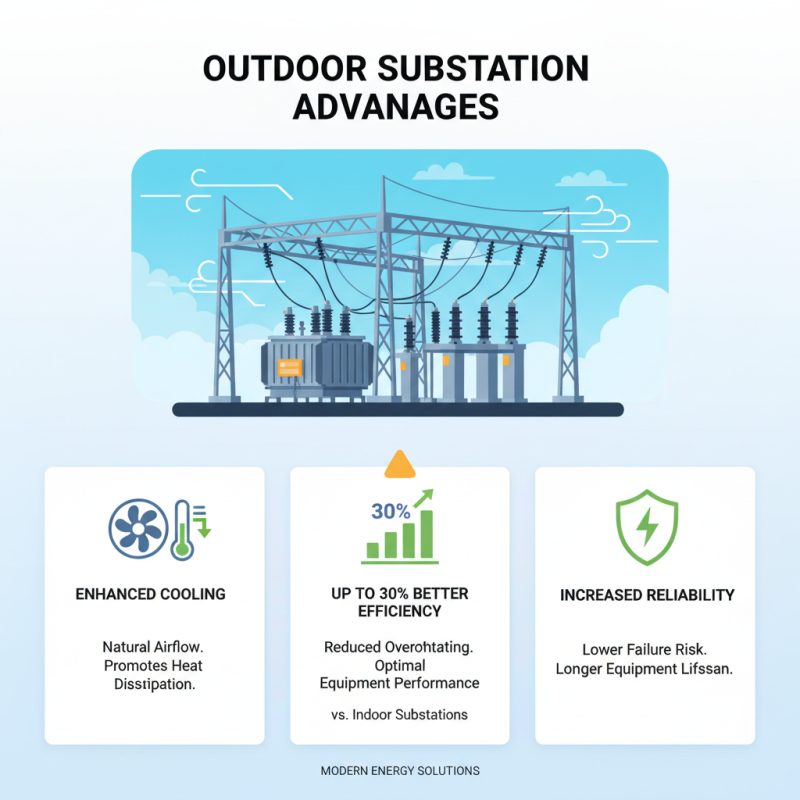
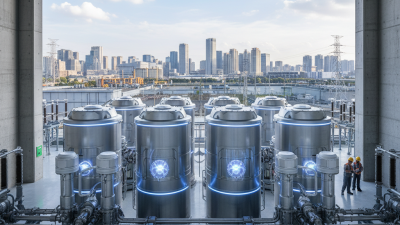
Outdoor substations offer significant advantages for modern energy solutions, particularly regarding cooling and efficiency. These facilities are exposed to natural airflow, which can enhance heat dissipation. Studies indicate that outdoor substations can experience cooling efficiencies up to 30% better than their indoor counterparts. Improved cooling allows for optimal performance of electrical equipment, reducing the risk of overheating and potential failures.
Moreover, outdoor substations often utilize advanced technologies like vapor-compression cooling systems. These systems maintain consistent temperatures, ensuring equipment operates within its ideal range. According to industry reports, maintaining proper temperatures can extend equipment lifespan by 25% or more. However, outdoor installations might face challenges such as exposure to extreme weather conditions, which can impact reliability. It's crucial to conduct thorough risk assessments before site selection.
Reliability is paramount in energy systems. Outdoor substations can sometimes present challenges with wildlife interference and maintenance accessibility. On the other hand, their layout often allows for easier expansion with growing energy demands. Balancing these benefits and challenges is essential for optimizing performance in the ever-evolving energy landscape. Proper planning and innovations can address these complexities, ensuring outdoor substations remain a viable solution for future energy needs.
Increased Resilience and Reliability against Natural Disasters
Outdoor substations offer enhanced resilience and reliability, especially against natural disasters. According to the U.S. Department of Energy, nearly 70% of electrical outages result from weather-related events. Placing substations outdoors can significantly mitigate these risks. Most outdoor designs use materials resistant to extreme weather. This feature can prolong the lifespan of critical infrastructure.
In addition, outdoor substations provide flexibility in site selection. This flexibility allows utilities to choose locations less prone to flooding or other disruptions. A study from the Electric Power Research Institute indicates that outdoor substations are less affected by temperature extremes. However, not every site is ideal. Sometimes, terrain and accessibility pose challenges for maintenance and upgrades.
Moreover, outdoor substations can enhance response times during emergencies. With proper planning, crews can quickly reach and repair damaged equipment. However, the initial setup costs might be higher than indoor alternatives. It's essential to weigh these investments against long-term benefits. Balancing costs and resilience is a constant reflection point for utilities. Investing in outdoor substations can ultimately lead to a more robust energy grid, but careful consideration is vital.
Sustainable Energy Integration and Modern Smart Grid Compatibility
Outdoor substations play a pivotal role in modern energy solutions, particularly in their compatibility with smart grid technologies. These facilities support the integration of renewable energy sources. As reported by the International Energy Agency, renewable energy could account for up to 80% of global electricity by 2030. This shift necessitates reliable infrastructure that outdoor substations provide.
Implementing outdoor substations can enhance energy efficiency. They are designed to minimize land use while maximizing capacity. This is crucial in urban areas where space is limited. More than 60% of cities face challenges with conventional substation designs. Outdoor substations can alleviate congestion issues and reduce operational costs.
Tip: Consider embracing new technologies, like IoT devices, to monitor performance. This helps ensure the efficiency of energy distribution.
However, the installation of outdoor substations isn't without challenges. Local weather conditions can affect operations, leading to potential risks.
Regular maintenance and adaptability are essential.
Tip: Perform thorough site assessments before deployment. Understand the environmental impacts of each location.
Overall, outdoor substations offer a sustainable approach to energy distribution. They align well with modern smart grid systems, reinforcing the need for adaptability and innovation in infrastructure development.






 Claire
 Mr.Fu
Mr.Fu

 Claire