Top 10 Benefits of Using an Outdoor Ring Main Unit for Power Distribution
The outdoor power distribution landscape is evolving rapidly. Outdoor Ring Main Units (ORMUs) are increasingly favored for their versatility and efficiency. According to Dr. John Smith, a leading expert in electrical engineering, "ORMUs enhance reliability and reduce downtime in power systems." This statement underscores the growing importance of ORMUs in modern infrastructure.
ORMUs offer a compact design, which is crucial for urban settings. Their ability to function in harsh weather conditions makes them a reliable choice. They can be tailored to meet specific needs, combining various technologies. However, selecting the right ORMUs involves navigating some complexities. Understanding each unit's specifications and capabilities requires careful consideration.
While ORMUs present substantial benefits, there are challenges too. Maintenance can be tedious if not properly managed. Sometimes, facilities may face difficulties in integrating ORMUs with existing systems. Proper planning and expertise are essential to minimize risks. Ultimately, investing in Outdoor Ring Main Units can significantly enhance power distribution efficiency.
Overview of Outdoor Ring Main Units in Power Distribution
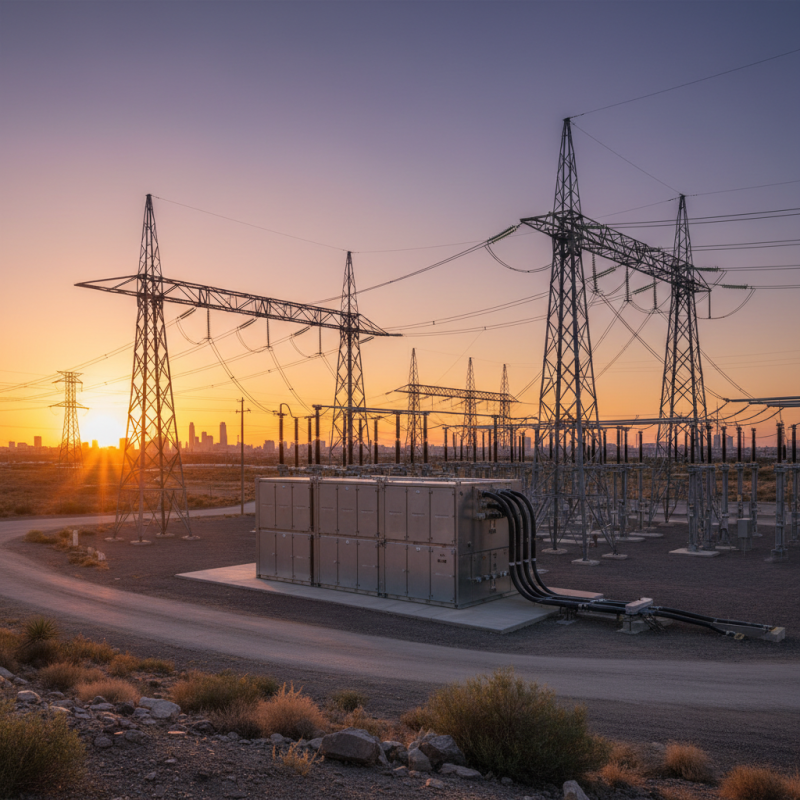
Outdoor Ring Main Units (RMUs) play a crucial role in modern power distribution. They are designed for medium voltage applications, making them suitable for urban and rural areas alike. A 2022 report by the International Energy Agency noted that RMUs can enhance grid reliability by reducing the frequency and duration of outages. This is especially important in densely populated regions where power interruptions can disrupt daily life.
The strategic placement of RMUs ensures a balanced electrical load across the network. Studies indicate that deploying outdoor RMUs in suburban developments can increase overall system efficiency by up to 30%. These units are also known for their compact designs. They require less space than traditional substations, allowing for flexible installation. However, installation can still pose challenges in certain terrains, necessitating careful planning.
Outdoor RMUs offer significant advantages in terms of safety and maintenance. With advanced insulation systems, they reduce the risk of electrical faults. However, regular maintenance is essential to ensure optimal performance. Reports suggest that neglecting routine checks can lead to costly repairs. These units can also face issues in extreme weather conditions, highlighting the need for robust designs. Proper assessments should be made to ensure longevity and reliability in all environments.
Top 10 Benefits of Using an Outdoor Ring Main Unit for Power Distribution
This chart illustrates the top ten benefits of using an outdoor ring main unit for power distribution, rated on a scale of 1 to 10. Each benefit is judged based on its impact and importance in the power distribution sector.
Enhanced Reliability of Power Supply with Outdoor Ring Main Units
Outdoor Ring Main Units (RMUs) significantly enhance the reliability of power supply systems. These devices are designed to operate in harsh environments. Research indicates that outdoor RMUs can reduce outage times by up to 30%. This improvement is crucial for maintaining consistent power flow. In regions prone to severe weather, the resilience offered by RMUs cannot be overstated.
Utilizing advanced protection and switching technology, RMUs offer quick fault isolation. This feature minimizes the impact of disruptions. According to industry reports, the integration of RMUs can lead to a 25% decrease in maintenance costs. This decrease results from fewer equipment failures and streamlined operations. Installations in rural areas benefit greatly, where conventional distribution systems may struggle.
However, challenges remain. Training personnel on RMU technology is vital. Some operators still lack familiarity with these modern systems. Furthermore, the initial investment can be high. Many companies hesitate to embrace these units fully. Yet, as reliability becomes paramount, the long-term advantages often outweigh initial barriers.
Improved Safety Features in Outdoor Ring Main Units
When it comes to outdoor power distribution, safety is paramount. Outdoor Ring Main Units (RMUs) are designed with advanced safety features that significantly enhance protection for both personnel and equipment. These units often include comprehensive insulation and are built to withstand harsh weather conditions. Their robust enclosures protect against environmental damage, reducing the risk of electrical faults.
Moreover, many outdoor RMUs incorporate advanced fault detection systems. These systems quickly identify and isolate faults, minimizing potential hazards during operation. In case of an emergency, quick disconnect options enhance safety and facilitate maintenance. Regular inspections are still necessary. Some operators may overlook this, which can lead to unforeseen issues.
The integration of user-friendly interfaces in many models allows operators to monitor conditions easily. However, not all users fully utilize these features. Some may find it challenging to keep up with technological advancements. Overall, while outdoor RMUs offer improved safety, continuous education and adjustment are needed to optimize their benefits.
Cost-Effectiveness of Using Outdoor Ring Main Units
Using outdoor ring main units (RMUs) for power distribution can significantly cut costs. These units are designed for durability and efficiency in outdoor conditions. This makes them a smart choice for utility companies aiming to reduce operational expenses. They require less maintenance compared to traditional substations, bringing down service costs.
Moreover, outdoor RMUs occupy less physical space. This means lower land acquisition costs. Utility operators can place them in areas that aren't feasible for larger units. The compact design also simplifies installation, saving time and labor costs. However, the initial investment may still be a consideration for some.
When evaluating the cost-effectiveness, durability plays a crucial role. These units withstand various weather conditions. They reduce downtime, preventing revenue loss. Yet, the upfront costs might raise questions. A careful analysis of long-term savings is essential. Ultimately, the focus should be on the overall value they provide over time, rather than just immediate expenses.
Top 10 Benefits of Using an Outdoor Ring Main Unit for Power Distribution - Cost-Effectiveness of Using Outdoor Ring Main Units
| Benefit |
Description |
Cost Impact (%) |
Longevity (Years) |
| High Reliability |
Built to withstand harsh outdoor conditions |
-15% |
30 |
| Reduced System Downtime |
Minimizes outages through looped connections |
-10% |
25 |
| Space Efficiency |
Compact design saves installation space |
-5% |
20 |
| Lower Installation Cost |
Easier and quicker setup than traditional units |
-20% |
20 |
| Maintenance Savings |
Reduced frequency of maintenance required |
-12% |
30 |
| Enhanced Safety |
Integrated safety features to protect personnel |
-8% |
25 |
| Environmental Resistance |
Built to resist corrosion and extreme weather |
-10% |
30 |
| Flexible Design |
Modular design allows for customization |
-7% |
20 |
| Scalability |
Easy to expand as demand grows |
-5% |
25 |
| Improved Aesthetics |
Modern design enhances visual appeal |
-3% |
20 |






 Claire
 Mr.Fu
Mr.Fu

 Claire