Top 10 Benefits of Gis Switchgear for Modern Power Distribution Systems
In today's rapidly evolving energy landscape, GIS switchgear stands out as a vital component for modern power distribution systems. Unlike traditional switchgear, GIS switchgear features a compact design and robust performance. This technology uses gas insulation, offering significant advantages in efficiency and reliability.
The integration of GIS switchgear allows for greater flexibility in urban and industrial areas. Power distribution becomes more streamlined, adapting to the ever-increasing demand for electricity. However, this innovation is not without challenges. Installation costs can be higher than expected, and technical expertise is essential.
Despite these complexities, the benefits of GIS switchgear are undeniable. Enhanced safety measures reduce the risk of outages and maintenance issues. With its ability to operate in limited spaces, GIS switchgear enables utilities to maximize their infrastructure. Ultimately, embracing this technology may require careful consideration, but the long-term gains can transform power distribution for the better.

Overview of GIS Switchgear in Modern Power Distribution
GIS (Gas Insulated Switchgear) has become vital in modern power distribution systems. The technology minimizes space requirements while ensuring high reliability. According to a recent industry report, GIS installations can reduce spatial footprint by up to 75%. This makes GIS especially suitable for urban environments where space is limited.
Many power utilities are shifting to GIS due to the increased safety it offers. Gas insulation effectively prevents electrical faults, improving system resiliency. It's noteworthy that more than 90% of GIS systems report lower maintenance costs compared to traditional switchgear. This is a significant consideration for utilities facing budget constraints.
Despite these advantages, some challenges remain. The initial investment for GIS technology can be high. Additionally, the skill set required to maintain these systems is not widely available. These factors require careful planning and consideration. Understanding the local context and training employees in specialized skills is crucial for successful implementation. The benefits are clear, but the hurdles demand reflection from stakeholders.
Enhanced Space Efficiency with GIS Switchgear Solutions
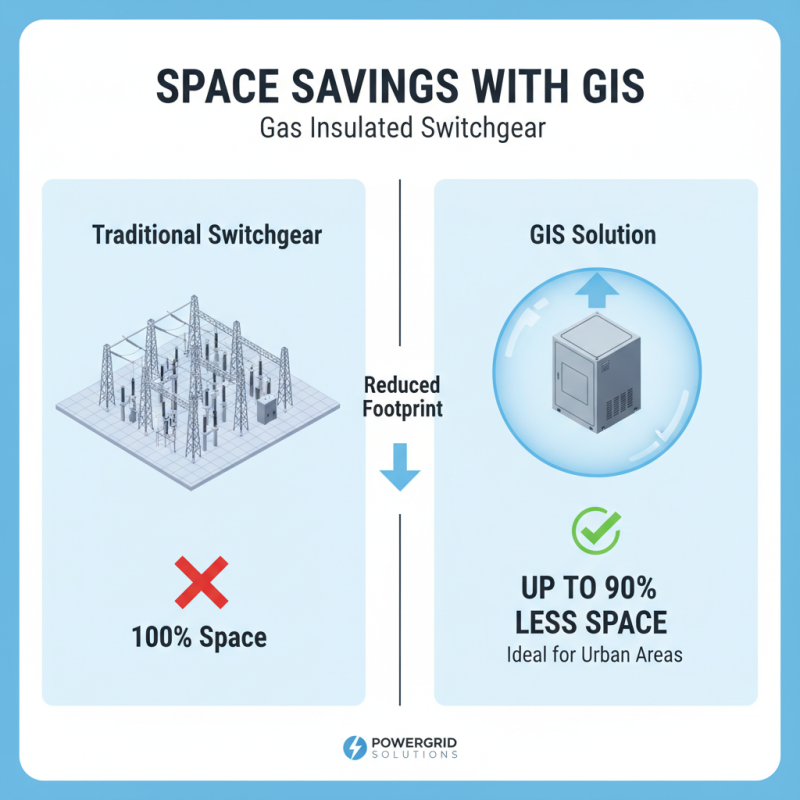
GIS (Gas Insulated Switchgear) offers significant benefits for power distribution systems. One notable advantage is enhanced space efficiency. Studies indicate that GIS solutions can occupy up to 90% less space than traditional switchgear. This reduced footprint makes it easier to integrate systems into urban environments where space is limited.
The compact design allows utility providers to maximize their infrastructure. Facilities can be designed more efficiently, reducing land costs. For example, the average installation area for GIS installations ranges from 20% to 50% smaller compared to conventional systems. This size reduction not only saves money but also decreases the environmental impact.
However, the transition to GIS is not without challenges. Some projects face difficulties due to costs and initial investments. Additionally, maintenance of GIS systems requires specialized skills and equipment. These complicate the production process and can lead to delays if not properly managed. Balancing these factors is essential for successful GIS implementation. Overall, the benefits in space efficiency are significant, but careful planning is necessary.
Improved Reliability and Reduced Maintenance Needs
The reliability of power distribution systems is crucial. GIS switchgear significantly enhances this aspect. It operates effectively in compact spaces, which is vital for urban areas. With its superior insulation capabilities, GIS switchgear minimizes the risk of failures. This leads to fewer outages and disruptions.
Maintenance needs are substantially reduced. GIS switchgear allows for less frequent inspections. This means less downtime for maintenance tasks. Operators can focus on other critical systems instead. However, some professionals may overlook the importance of routine checks. Even reliable systems can benefit from periodic evaluations.
Tip: Regular training for staff ensures they are aware of best practices. Emphasizing preventive maintenance can enhance longevity. Note that while GIS technology is advanced, no system is infallible. Continuous monitoring is key to identifying potential issues early.
Top 10 Benefits of GIS Switchgear for Modern Power Distribution Systems
Environmental Benefits of Using GIS Switchgear
GIS switchgear is transforming modern power distribution. Its environmental advantages are noteworthy and align with sustainability goals. By reducing energy loss, GIS technology improves efficiency. It minimizes the carbon footprint of power systems. This is crucial as we face climate change challenges.
Using GIS switchgear means less space is required. This frees up land for other uses. It also generates less noise pollution. Many urban areas benefit from quieter energy systems. However, certain challenges remain. For instance, the initial investment is significant. We need to think about long-term gains versus upfront costs.
Tips: Always consider the local context when implementing new technologies. It’s vital to assess the existing infrastructure. Proper planning can ensure successful integration. Remember, every transition has its hurdles. Learning from past installations can mitigate future issues. Embrace the benefits but remain aware of the complexities involved.
Top 10 Benefits of GIS Switchgear for Modern Power Distribution Systems - Environmental Benefits of Using GIS Switchgear
| Benefit |
Description |
Environmental Impact |
| Space Efficiency |
GIS switchgear has a compact design, requiring less space for installation. |
Reduces land use for substations, preserving natural habitats. |
| Reduced Energy Loss |
High insulation and low power loss during transmission. |
Lowers carbon emissions from power generation. |
| Enhanced Safety |
GIS is more reliable and safer to operate with reduced risk of exposure to electrical hazards. |
Minimizes the ecological impact of accidents. |
| Lower Maintenance |
Requires less frequent maintenance than traditional switchgear. |
Reduces waste generated from maintenance activities. |
| Improved Reliability |
GIS systems are known for their reliable operation under various conditions. |
Contributes to consistent power supply, reducing environmental stress. |
| Integration with Renewable Energy |
Facilitates the integration of renewable energy sources into the grid. |
Promotes the use of clean energy, reducing fossil fuel dependency. |
| Lower Emissions |
Utilization of GIS technology leads to lower greenhouse gas emissions. |
Helps combat climate change effects. |
| Localized Impact |
Switchgear can be installed closer to load centers. |
Minimizes transmission losses and environmental disturbances. |
| Aesthetic Design |
GIS switchgear has a modern design, enhancing the visual aspect of infrastructure. |
Less visual pollution in urban environments. |
| Longer Lifespan |
GIS equipment typically has a longer operational life compared to traditional systems. |
Reduces the frequency of replacements and associated waste. |
Advanced Safety Features in GIS Switchgear Systems
Gas-insulated switchgear (GIS) systems are revolutionizing the electrical industry with their advanced safety features. These systems are compact and efficient, making them ideal for urban settings. Their enclosed structure minimizes the risk of electrical faults, enhancing overall safety. This design protects both equipment and personnel from potential hazards.
One noteworthy aspect is the effective insulation that GIS offers. Unlike traditional switchgear, GIS uses gas to insulate its components. This significantly reduces the risk of short circuits. In addition, these switchgears often have built-in monitoring systems that provide real-time data. This allows operators to identify issues before they escalate. However, maintenance can be tricky, requiring skilled technicians to avoid safety risks.
Moreover, GIS systems are designed to withstand severe weather conditions. Their robust construction ensures reliability even in the harshest environments. But this durability can lead to complacency in maintenance checks. It's essential to balance reliability with regular inspections to ensure safety. Continuous education about potential risks is crucial for anyone working with GIS technology.







 Claire
 Mr.Fu
Mr.Fu

 Claire