Top Benefits of Gis Switchgear for Modern Electrical Systems?
In the rapidly evolving landscape of electrical systems, the importance of Gis Switchgear cannot be overstated. According to Dr. Emily Carter, a renowned expert in power systems, "Gis Switchgear represents a crucial step toward a more efficient energy future." This technology enhances the reliability and safety of electrical grids, addressing modern demands.
Gis Switchgear is compact and user-friendly. Its ability to operate in limited spaces makes it ideal for urban environments. With the growing need for space-efficient solutions, this innovation addresses challenges faced by traditional switchgear. However, it comes with its own set of complexities. Transitioning to Gis Switchgear requires careful planning and investment in training.
Utilizing Gis Switchgear enhances system performance and reduces maintenance costs. Still, organizations must consider their current infrastructure. Adapting to this technology can create initial hurdles. Nevertheless, the long-term benefits typically outweigh these challenges, paving the way for robust electrical systems.

Key Features of GIS Switchgear in Modern Electrical Systems
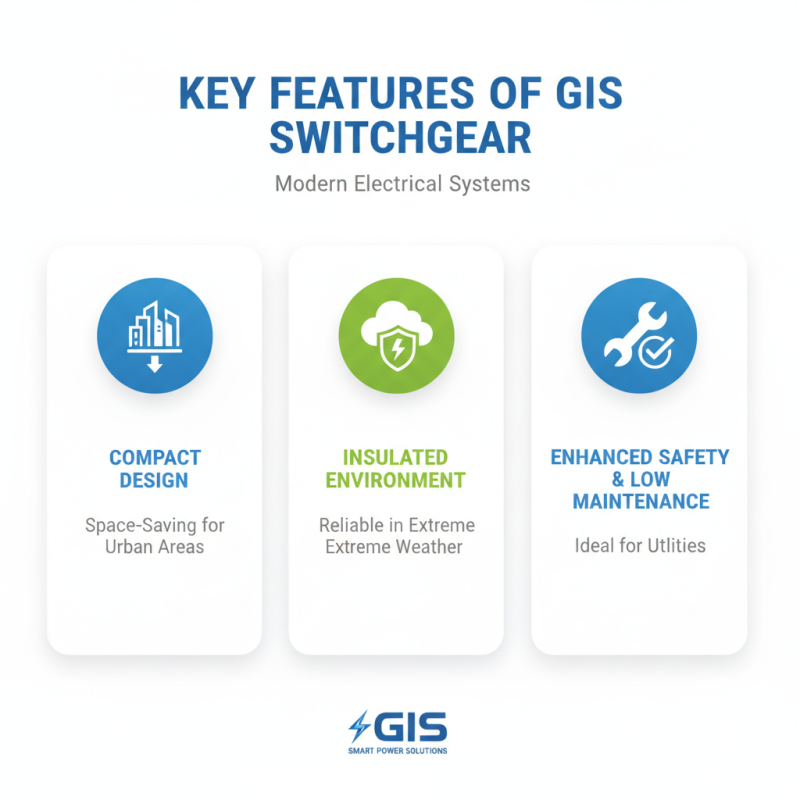
GIS switchgear plays a crucial role in modern electrical systems. Its compact design saves space, a significant consideration in urban areas where real estate is scarce. The insulated environment ensures reliable operations even under extreme weather conditions. This feature enhances safety and reduces maintenance needs, making GIS an ideal choice for utilities.
Key features of GIS switchgear include its high reliability and longevity. With fewer mechanical components than traditional air-insulated switchgear, failures are minimized. This results in lower operational costs over time. However, the initial investment can be high, which raises questions about budget allocation.
Another vital aspect is the environmental impact. GIS systems often utilize eco-friendly insulating gases. This advancement aligns with global sustainability goals. Yet, the production of some components might still pose challenges, necessitating careful supply chain management. Balancing these factors is essential for stakeholders in the energy sector.
Advantages of Compact Design in GIS Switchgear
GIS (Gas Insulated Switchgear) is becoming essential in modern electrical systems. Its compact design offers substantial advantages, especially in urban areas. Traditional switchgear takes up much space. GIS, on the other hand, can fit into tighter spaces. According to recent reports, GIS can reduce the footprint of electrical installations by up to 70%. This is critical in locations where real estate is costly.
Moreover, GIS minimizes installation costs. With less space required, fewer structural reinforcements are necessary. This reduces both labor and material expenses. A study highlighted that projects using GIS have reported up to 30% lower overall costs compared to traditional systems. However, the initial investment in GIS might be higher. This leads some to hesitate before adopting the technology.
The design of GIS is also robust. It offers better protection against environmental factors. This translates to increased reliability and decreased maintenance needs. However, it is essential to continuously monitor these systems to prevent potential failures. While GIS technology offers numerous benefits, organizations must remain conscientious about operational protocols. The shift to GIS not only modernizes the electrical grid but also challenges utility companies to ensure ongoing training and system evaluations.
Enhanced Safety Measures Associated with GIS Switchgear
GIS switchgear has transformed modern electrical systems by enhancing safety measures significantly. One of the key benefits is its compact design. This compactness minimizes the space required for installations, allowing for safer and more organized layouts. Additionally, GIS technology minimizes the risk of electrical faults. This is crucial, especially in urban environments where safety is a priority.
Moreover, GIS switchgear components are enclosed, providing a barrier against external environmental factors. This enclosure protects the system from moisture, dust, and pollution. By doing so, it reduces the likelihood of equipment failures and electrical hazards. With fewer exposed parts, the risk of accidental contact is also lessened, making it safer for maintenance personnel.
However, the implementation of GIS switchgear is not without its challenges. The initial investment is higher compared to traditional systems. Operators must be trained in handling and maintaining these advanced systems. Moreover, regular assessments are vital to ensure optimal performance over time. While GIS technology promotes safety, constant vigilance and expertise are essential to maximize its benefits.
Top Benefits of GIS Switchgear for Modern Electrical Systems
Impact of GIS Switchgear on System Reliability and Maintenance
Gas-insulated switchgear (GIS) has proven to significantly enhance the reliability of modern electrical systems. Its
compact design allows for efficient space utilization. This is crucial as urbanization increases the demand for land. A report from the
International Energy Agency noted that GIS installations can reduce equipment footprint by up to 30% compared to traditional switchgear.
The impact of GIS on maintenance practices is profound. Because GIS is sealed and requires less frequent inspections, operational downtime decreases. According to a study by the
Electrical Power Research Institute, GIS can reduce maintenance costs by nearly 20%. However, the complexity of GIS technology can lead to challenges in understanding and performing maintenance.
While operators enjoy a seamless system, they may lack the expertise needed to troubleshoot effectively.
Additionally, GIS contributes to lower risk levels in adverse weather conditions. Equipment is protected against environmental factors, further ensuring continuous operation.
Yet, the initial capital investment can be daunting for some operators. Balancing long-term savings with upfront costs remains a noteworthy consideration in adopting GIS technology.
Economic Benefits of Implementing GIS Switchgear Solutions
Implementing Gas-Insulated Switchgear (GIS) can transform modern electrical systems. The economic benefits are significant. GIS solutions require less space compared to traditional switchgear. This compact design leads to lower civil engineering costs. Smaller substations mean reduced land acquisition expenses.
Operational efficiency also improves with GIS. Maintenance costs are often lower, thanks to the encapsulated design that protects components from environmental factors. This leads to fewer failures and lower downtime. However, the initial investment can be high. Organizations need to weigh long-term savings against upfront costs.
Moreover, GIS can enhance energy efficiency. Its design allows for optimized power distribution and reduced losses. Cities benefit from this, as GIS can handle higher capacity in smaller areas. Yet, some may find it challenging to adjust to new technology. Adopting GIS requires training and a shift in operational practices. Organizations must invest in workforce development to leverage these advantages fully.
Top Benefits of Gis Switchgear for Modern Electrical Systems
| Benefit |
Description |
Economic Impact |
| Space Saving |
GIS switchgear has a compact design, reducing the footprint required for installations. |
Lower costs for land and construction, leading to significant savings. |
| Improved Safety |
Enclosed design reduces the risk of electrical hazards. |
Reduced liability and insurance costs |
| Maintenance Efficiency |
Extends the maintenance intervals, minimizing downtime. |
Lower operational costs and increased productivity. |
| Environmental Benefits |
Reduces environmental impact due to minimal gas emissions. |
Potentially lower environmental compliance costs. |
| Reliability |
GIS switchgear offers high reliability in demanding scenarios. |
Minimized outage costs for utilities and consumers. |









 Claire
 Mr.Fu
Mr.Fu

 Claire