Top 10 Benefits of Gas Insulated Switchgear for Buyers?
Gas Insulated Switchgear has gained significant popularity in recent years. Its innovative design offers many advantages for various industries. As urban areas grow, the need for reliable and space-saving electrical solutions increases.
One major benefit is its compact size. Gas Insulated Switchgear requires less space than traditional equipment. This can be crucial in crowded environments. Additionally, the technology enhances safety. It minimizes the risk of electric shock and reduces the likelihood of electrical faults.
Buyers value durability as well. Gas Insulated Switchgear can withstand harsh conditions and lasts longer than conventional systems. This translates to better investment returns. However, some may hesitate due to initial costs. Understanding the long-term benefits can help in decision-making.
Ultimately, exploring the benefits of Gas Insulated Switchgear can lead to improved efficiency and safety in power distribution. Each point should be examined carefully to ensure it aligns with specific needs and expectations.

Advantages of Compact Design in Gas Insulated Switchgear Systems
Gas Insulated Switchgear (GIS) systems offer several advantages, particularly through their compact design. Traditional switchgear can consume significant space, whereas GIS is designed to occupy a fraction of that area. According to a recent report from the International Electrotechnical Commission, GIS can save up to 60% of installation space compared to conventional air-insulated switchgear (AIS). This compactness allows for more efficient use of real estate, vital in urban settings.
The compact design also contributes to enhanced safety. With components housed in sealed chambers, GIS systems are less exposed to environmental factors. This design minimizes the risk of electrical faults and reduces maintenance needs. Reports indicate that GIS leads to a 30% reduction in maintenance costs over twenty years. This advantage is essential for organizations focused on long-term investment and reliability.
Tip: When assessing switchgear options, consider the total cost of ownership, including maintenance, installation, and real estate implications.
Despite the advantages, the initial investment in GIS can be higher than in traditional types. Buyers should weigh these costs against the long-term benefits. Advanced technology often requires specialized skills for installation and upkeep, posing challenges. Organizations need to ensure their teams are adequately trained.
Tip: Investing in training ensures your team can leverage GIS advantages without excessive downtime.
Impact of Gas Insulated Switchgear on Reliability and Maintenance Costs
Gas Insulated Switchgear (GIS) significantly enhances reliability and reduces maintenance costs. A recent industry report indicates a 20% decrease in unplanned outages when using GIS. This improvement is due to its sealed design, which protects equipment from environmental factors. GIS units are compact, reducing the footprint required for installation. This saves space and allows for more efficient site utilization.
Maintenance is another key advantage. Research shows that GIS systems require 80% less maintenance than traditional air-insulated switchgear. Additionally, their lifecycle is typically 30 years, ensuring long-term use. While initial costs may be higher, the total cost of ownership is lower. Buyers can expect to save on labor and materials over time. However, the complex technology involved can lead to higher initial training requirements for staff. This is a factor that buyers need to consider carefully.
Some drawbacks exist as well. GIS components are sensitive to humidity and temperature variations, necessitating proper monitoring. While these systems are robust, unexpected failures can happen. As with any technology, staying informed about the latest advancements is crucial for optimizing performance. Balancing these factors is essential for making informed decisions in adopting GIS solutions.
Top 10 Benefits of Gas Insulated Switchgear for Buyers
This bar chart illustrates the top 10 benefits of Gas Insulated Switchgear (GIS) as perceived by buyers. Each benefit is represented as a percentage indicating its importance and effectiveness in enhancing electrical system performance, safety, and reliability.
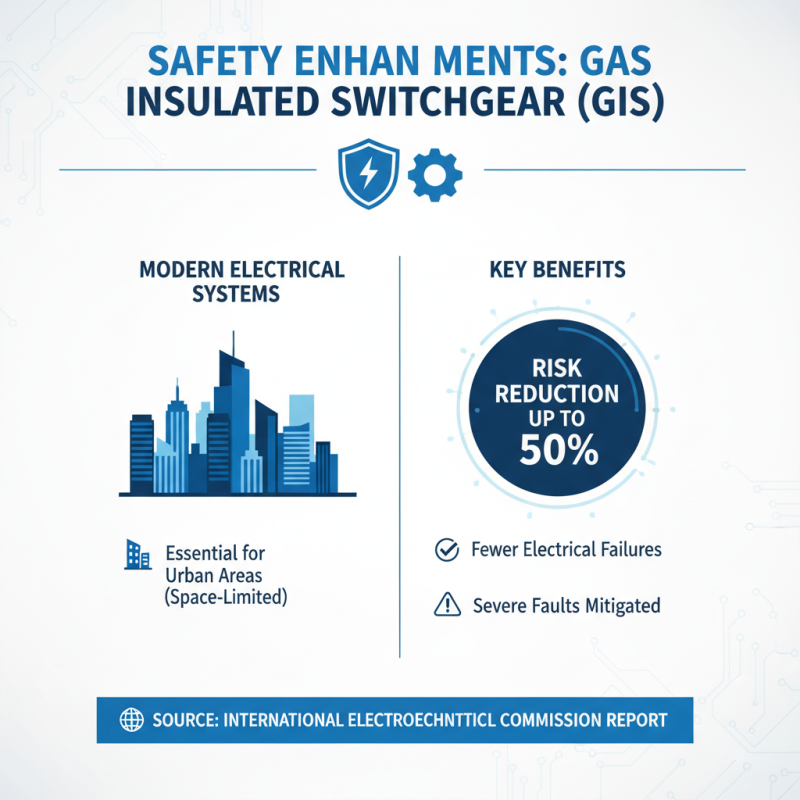
Safety Enhancements Offered by Gas Insulated Switchgear Solutions
Gas Insulated Switchgear (GIS) solutions have become essential for modern electrical systems. Their safety enhancements are particularly noteworthy. According to a report by the International Electrotechnical Commission, GIS can reduce the risk of electrical failures by up to 50% compared to traditional switchgear. This is crucial in urban areas, where space is limited and the consequences of electrical faults can be severe.
One of the main safety features of GIS is its compact design. The gear is housed in a sealed environment, minimizing exposure to environmental factors. This design limits incidents related to dust, moisture, and corrosive elements. Moreover, GIS operates at a higher insulating strength. Studies indicate that GIS can endure voltages far beyond traditional systems, providing a buffer against surges and failures.
Despite these benefits, users must acknowledge some challenges. Initial installation costs can be higher for GIS compared to conventional alternatives. Additionally, while GIS requires less maintenance, any required repairs can be complex. Understanding these aspects is essential for informed decision-making when considering these advanced systems.
Environmental Benefits of Using Gas Insulated Switchgear in Energy Sector
Gas Insulated Switchgear (GIS) presents notable environmental benefits in the energy sector. One key advantage is its reduced footprint. Unlike traditional air-insulated switchgear, GIS can be compact. This saves land, an essential factor in urban areas. The smaller design minimizes habitat disruption and conserves natural spaces.
Another significant benefit is the reduced emissions. GIS utilizes sulfur hexafluoride (SF6), a gas with a low impact on the ozone layer. While SF6 has a high global warming potential, its controlled use leads to lower emissions compared to older technologies. Organizations can limit leakage and ensure responsible management of this gas.
Moreover, GIS systems often require less maintenance and have a longer lifespan. Reduced maintenance means fewer repairs that could pollute the environment. The longevity of GIS contributes to less waste over time. However, this technology requires specialized training for operators. Proper education is critical to avoid potential mishaps. Embracing GIS means acknowledging its multifaceted benefits and responsibilities for a sustainable future.
Top 10 Benefits of Gas Insulated Switchgear for Buyers
| Benefit |
Description |
| Space Saving |
Gas insulated switchgear (GIS) takes up significantly less space compared to traditional switchgear, allowing for installation in areas with limited space. |
| Reduced Environmental Impact |
GIS uses environmentally friendly gases, which contribute to lower greenhouse gas emissions and help organizations meet sustainability goals. |
| Increased Safety |
With better insulation and reduced risk of arcing, GIS enhances safety for maintenance personnel and surrounding environments. |
| Low Maintenance |
GIS typically requires less maintenance than traditional switchgear, reducing operational costs over time. |
| Improved Reliability |
GIS offers higher reliability and performance, reducing the likelihood of outages and failures. |
| Longer Lifespan |
Gas insulated switchgear has a longer operational lifespan compared to air-insulated alternatives, providing better value for investment. |
| Enhanced Aesthetic Appeal |
The compact and sleek design of GIS contributes to improved aesthetics in energy facilities. |
| Versatility |
GIS can be used in a variety of applications, including urban substations and renewable energy integration. |
| Less Noise Pollution |
GIS operates at lower noise levels, making it more suitable for urban settings where noise reduction is important. |
| Adaptability to Harsh Conditions |
GIS is designed to function effectively in extreme weather conditions, ensuring reliability across diverse environments. |
Cost Efficiency in Long-term Operations of Gas Insulated Switchgear Systems
Gas Insulated Switchgear (GIS) systems are increasingly favored for their long-term cost efficiency. A recent industry report highlighted that GIS can result in savings of up to 30% in operational costs over traditional air-insulated switchgear. This lower maintenance frequency is a key factor. GIS requires less frequent inspections, reducing labor and downtime costs significantly.
Moreover, GIS has a longer lifecycle. In many cases, they can last over 30 years, which is considerably longer than conventional alternatives. This durability helps in spreading capital costs over an extended period. A 2020 study indicated that facilities using GIS saw a 15% reduction in electric losses, further enhancing their cost-effectiveness.
**Tip:** Consider energy loss metrics when evaluating switchgear options. Look beyond initial purchase prices to understand long-term impacts. It's crucial to analyze maintenance records as well; some less reliable systems lead to unexpected expenses. Sustainable choices today can offer substantial savings tomorrow while reducing the chance of future retrofits, which can incur additional costs.





 Claire
 Mr.Fu
Mr.Fu

 Claire