Top 10 Benefits of Using Changeover Panels in Electrical Systems?
In today's complex electrical systems, the significance of a Changeover Panel cannot be overstated. Renowned industry expert John Smith emphasizes, “A Changeover Panel is crucial for seamless power management.” With the growing demand for uninterrupted power supply, these panels play a vital role. They enable quick switching between different power sources, enhancing efficiency and reliability.
Consider businesses facing frequent power interruptions. A well-designed Changeover Panel can significantly reduce downtime. The benefits extend beyond just operational efficiency. Safety is also paramount; these panels help prevent electrical hazards during power transitions. However, many users overlook regular maintenance, which is essential for optimal performance.
The versatility of Changeover Panels is impressive. They can cater to residential, commercial, and industrial needs. Yet, the installation process can be challenging and often underestimated. It’s essential to engage with experienced professionals to avoid costly mistakes. In an ideal scenario, these panels should ensure a smooth operation, but even the best systems require mindful attention.
Benefits of Increased Operational Flexibility with Changeover Panels
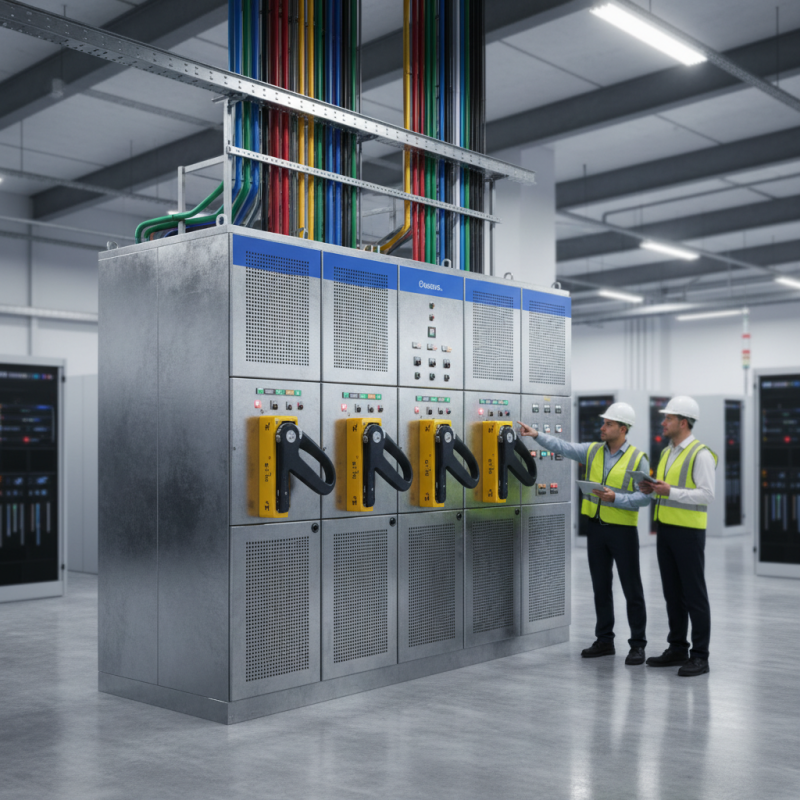
Changeover panels significantly enhance operational flexibility in electrical systems. These panels allow seamless transitions between power sources. For instance, in industrial settings, switching from a primary to a backup power source can occur within milliseconds. According to a report by the Institute of Electrical and Electronics Engineers (IEEE), such switchover capabilities can reduce downtime by over 30%.
The use of changeover panels can also support load balancing. These systems can efficiently distribute power among multiple sources. A study revealed that proper load management can improve energy efficiency by approximately 20%. However, this efficiency is contingent on regular maintenance. Neglecting panel upkeep can lead to malfunctions, diminishing operational advantages.
Moreover, operational flexibility is not just about switching power sources. It involves adapting to changing energy demands. In sectors like manufacturing, this agility becomes crucial. Shifts in production schedules can occur frequently. The flexibility offered by changeover panels enables businesses to respond effectively to such shifts. Yet, over-reliance on automated systems may create vulnerabilities. Organizations must remain vigilant and ensure their staff is trained to handle unexpected changes.
Top 10 Benefits of Using Changeover Panels in Electrical Systems
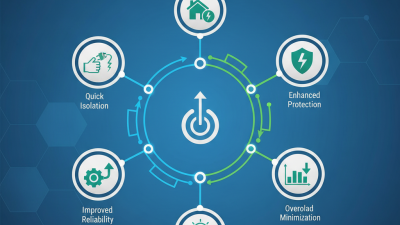
This bar chart represents the top 10 benefits of using changeover panels in electrical systems, demonstrating how they enhance operational flexibility and reliability.
Enhancing Safety Standards in Electrical Systems through Changeover Panels
Changeover panels play a crucial role in enhancing safety standards in electrical systems. These panels allow for seamless transitions between different power sources. In environments where power reliability is vital, such as hospitals, this becomes essential. Users can quickly switch to backup systems during outages, minimizing risk.
Moreover, changeover panels reduce the chances of electrical hazards. Proper installation can prevent overload, which might lead to fires. When maintenance is needed, these panels isolate systems effectively, ensuring technicians work safely. However, improper handling can lead to malfunction. Regular checks are necessary to avoid such failures.
Visual indicators on these panels help operators remain aware of power status. Clear labeling is vital as people often overlook details. In a busy environment, anyone might misunderstand a switch. Therefore, training staff becomes important in recognizing panel functions. Regular revisions of protocols can strengthen safety further. These measures require ongoing commitment and reflection from all staff.
Reducing Downtime and Maintenance Costs with Changeover Panels
Changeover panels play a crucial role in electrical systems, particularly in reducing downtime and maintenance costs. These panels allow for seamless switching between power sources. This process minimizes disruptions during maintenance. According to industry research, downtime in electrical systems can cost companies up to $500,000 per hour. Implementing changeover panels can significantly lower these risks.
Using changeover panels effectively can reduce manual labor associated with system maintenance. Automated systems tend to have fewer failures. This shift leads to lower maintenance costs. For businesses, investing in these panels can yield returns within months. A study showed that companies could save nearly 30% on their overall energy costs when effectively managing their power sources.
**Tips:** Regular inspections of changeover panels can prevent unexpected failures. Anomalies should be addressed immediately. Training staff on these systems is equally important. Empowered employees can optimize the operational efficiency of electrical systems. Remember, neglecting maintenance could lead to significant setbacks.
Improving Energy Efficiency in Electrical Grids using Changeover Panels
Changeover panels play a crucial role in enhancing energy efficiency within electrical grids. These panels allow for seamless switching between different power sources. By doing this, they minimize downtime and ensure a consistent energy supply. This adaptability is vital, especially during peak demand periods when energy conservation is a priority.
Moreover, employing changeover panels can significantly reduce energy waste. They help in balancing loads across multiple sources, leading to a more stable and efficient system. When one source falters, the transition to backup power is almost instantaneous. This reduces the risk of energy loss and ensures that users remain powered. The challenge lies in the initial setup. Ensuring that all components are properly integrated can be complex.
One must also consider the maintenance aspects. Regular checks are essential to keep everything functioning well. Neglecting this can lead to increased inefficiencies over time. Addressing these issues early can solidify the efficiency gains. Nonetheless, the benefits of using changeover panels are clear. Implementing them may require effort, but the payoff in energy savings is worth it.
Top 10 Benefits of Using Changeover Panels in Electrical Systems
| Benefit |
Description |
Impact on Efficiency |
| Enhanced Reliability |
Changeover panels provide a seamless transition between power sources, reducing downtime. |
Increased reliability translates to consistent energy availability. |
| Energy Savings |
Optimizes electrical load distribution, minimizing energy wastage. |
Lead to reduced energy costs over time. |
| Improved Maintenance |
Allows for regular maintenance without disrupting power to the system. |
Enhances the longevity of electrical systems. |
| Simplified Operations |
Easy switching between power sources leads to simplified management. |
Reduces operation complexity and improves efficiency. |
| Enhanced Safety |
Reduces the risk of overload conditions and electrical fires. |
Fosters a safer working environment. |
| Flexible Power Options |
Facilitates integration of renewable energy sources. |
Promotes sustainability in energy consumption. |
| Cost-Effectiveness |
Reduces long-term operational costs related to energy management. |
Results in substantial cost savings over time. |
| Data Integration |
Allows for real-time monitoring and data analysis. |
Improves decision-making processes for energy management. |
| Quick Response to Outages |
Enables immediate switching to backup power, enhancing response times. |
Minimizes disruption during outages. |
| Scalability |
Facilitates easy expansion and upgrades of electrical systems. |
Supports future growth without major overhauls. |
Facilitating Seamless Transition Between Power Sources for Reliability
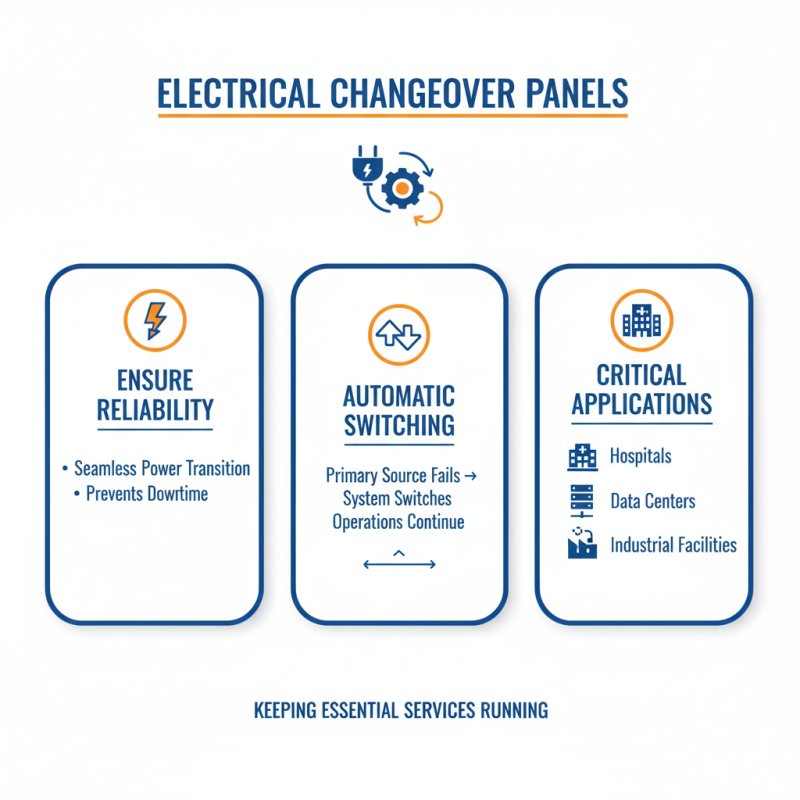
In electrical systems, changeover panels play a crucial role in ensuring reliability. They facilitate a seamless transition between power sources. When one source fails, the system switches automatically. This prevents downtime and keeps operations running smoothly. Such panels can be vital in hospitals, data centers, and industrial facilities.
Using changeover panels minimizes the risk of power interruptions. However, not all panels are created equal. Some may require more maintenance and checks than others. Inadequate inspections can lead to malfunctioning during critical times. Regular check-ups are essential. They help identify potential issues before they escalate.
Additionally, user training is often overlooked. Personnel must understand how to operate these panels effectively. If not, they might hesitate during emergencies. This hesitation can create dangerous situations. Continuous education and drills can improve response times. Investing in training can make all the difference.




 Claire
 Mr.Fu
Mr.Fu

 Claire