What is an ATS Transfer Switch and How Does It Work?
An ATS Transfer Switch plays a crucial role in modern electrical systems. It ensures a seamless transition between utility and backup power sources. According to industry reports, the global market for automatic transfer switches is expected to reach $2 billion by 2026. This growth is driven by the increasing demand for uninterrupted power supply in various sectors.
The functionality of an ATS Transfer Switch is simple yet vital. It monitors the power supply and activates a backup generator when needed. This automatic process enhances reliability and reduces downtime. For instance, businesses that experience power outages can lose significant revenue. Implementing an ATS can mitigate such losses and maintain operational continuity.
However, there are challenges associated with ATS systems. Not all installations are straightforward. Complex setups can lead to installation errors or operational failures. Additionally, regular maintenance is essential. Neglecting this aspect may result in unexpected malfunctions, underlining the importance of careful planning and execution in ATS deployment.
What is an ATS Transfer Switch?
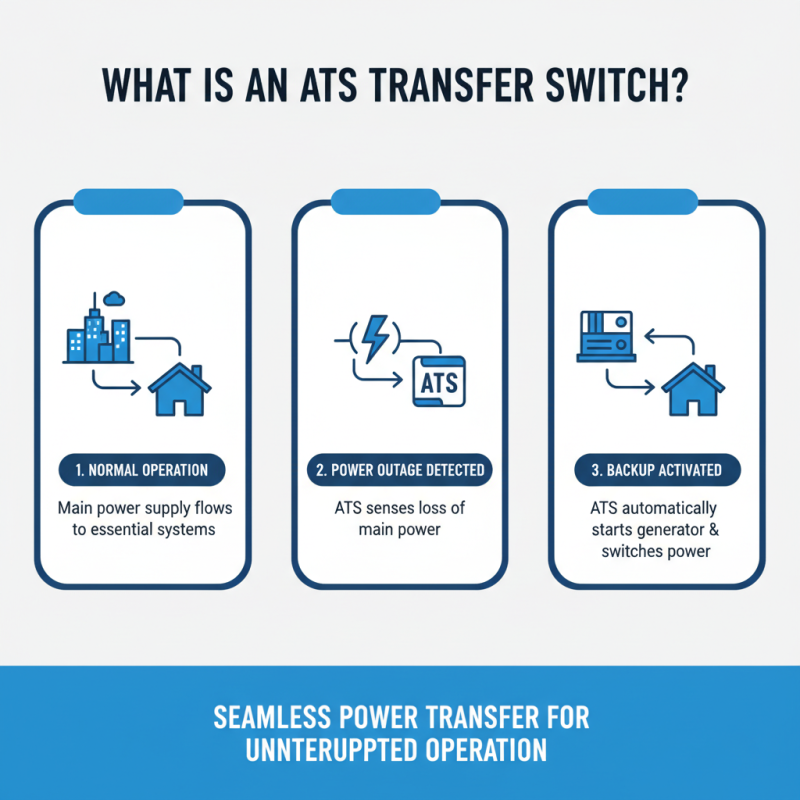
An ATS transfer switch is a critical component in power management systems. It allows a seamless switch between the main power supply and a backup generator. When there's an outage, the ATS detects the loss of power and automatically initiates the generator. This ensures that essential systems remain operational without manual intervention.
The operation of an ATS is straightforward yet vital. It monitors the electricity supply constantly. If it senses a disruption, it signals the generator to start up. The switch then transfers the load to the generator, providing immediate power. This process occurs within seconds, minimizing downtime. Notably, some installations may experience delays in detection and initiation. This can lead to minor disruptions for critical equipment.
In reality, while ATS systems are designed to be reliable, they aren’t infallible. Regular maintenance is key to preventing issues. Some users overlook the importance of routine checks, leading to potential failures. It's crucial to assess the operational readiness of both the ATS and the generator. Planning for unexpected scenarios can make a significant difference when power is lost.
The Components of an ATS Transfer Switch
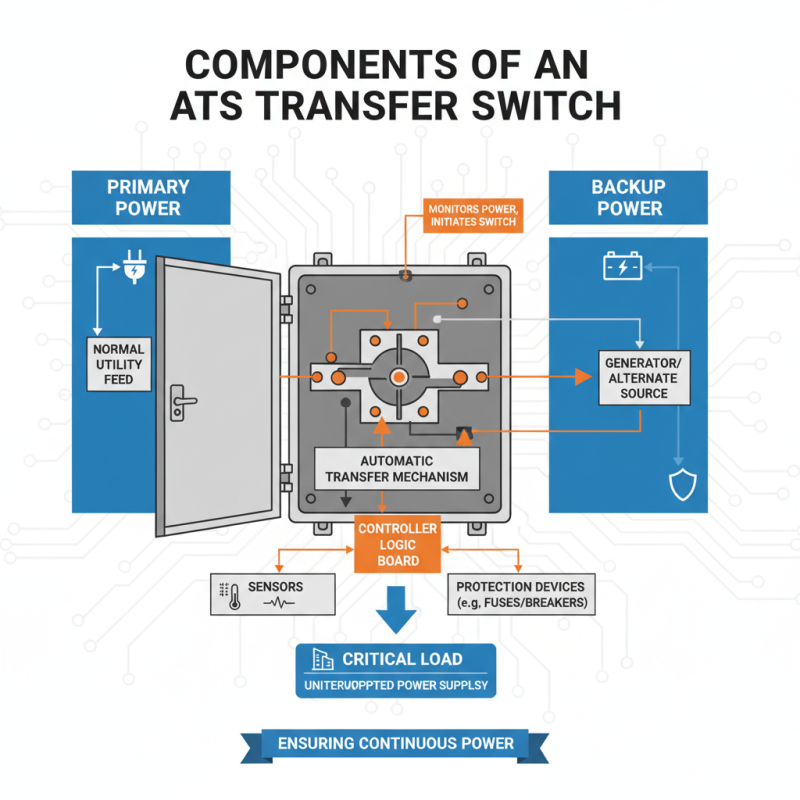
An ATS transfer switch is crucial for ensuring continuous power supply during outages. It automatically switches between primary and backup power sources. Understanding its components can help in grasping how it functions.
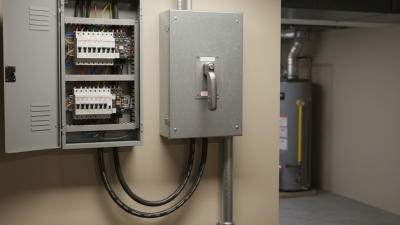
The main parts include the control panel, switching mechanism, and circuit breaker. The control panel monitors the power supply, sensing when to activate the backup source. It's essential for seamless transitions but can sometimes be overly complex. An ordinary user might find it daunting to troubleshoot.
Next is the switching mechanism. This component handles the physical shift from one power source to another. It must be reliable, yet mechanical parts can wear out over time. Finally, circuit breakers offer protection from overloads. They are essential, but if not properly maintained, they can lead to failures at critical times. Regular checks are necessary, though many neglect this aspect.
How an ATS Transfer Switch Works
An Automatic Transfer Switch (ATS) is crucial for ensuring a reliable power supply. It seamlessly switches power from your primary source to a backup generator when the primary source fails. This automatic process reduces downtime. According to industry reports, about 33% of businesses experience power outages yearly. This shows the importance of having an ATS.
Understanding how an ATS works is essential. When a power failure occurs, the ATS detects it within seconds. It then disconnects from the main power source and engages the generator. The transfer typically happens in under 30 seconds. Some systems allow for manual intervention, but automation is preferred for emergencies. The overall efficiency of ATS can enhance the reliability of power systems in various setups.
**Tip:** Regular maintenance is key. Check the ATS monthly. Ensure connections are tight and components are functioning. Infrequent checks may lead to premature failures.
Despite the advantages, ATS systems are not infallible. Improper installation can lead to faults. In some cases, they may fail to switch or misinterpret power status. User training is as vital as the technology itself. Ensure that personnel understand the system. This knowledge can prevent mishaps during critical moments.
What is an ATS Transfer Switch and How Does It Work?
| Feature |
Description |
Benefits |
Application |
| Automatic Switching |
Automatically switches to backup power when utility fails. |
Ensures continuous power supply without manual intervention. |
Critical facilities like hospitals, data centers. |
| Manual Override |
Allows for manual control in emergencies. |
Provides flexibility and control during power outages. |
Maintenance and servicing of power systems. |
| Integration |
Works seamlessly with generators and grid power. |
Reduces downtime and improves reliability. |
Industrial sites and large commercial buildings. |
| Electrical Ratings |
Available in various sizes and capacities. |
Accommodates different power needs of users. |
Residential, commercial, and industrial uses. |
| Safety Features |
Includes circuit breakers and alarms. |
Protects against overload and electrical faults. |
Required in sensitive and high-risk environments. |
Types of ATS Transfer Switches and Their Applications
ATS transfer switches play a vital role in maintaining power reliability. There are various types of ATS transfer switches designed for different applications, each with unique features. The most common types include open transition, closed transition, and delayed transition switches.
Open transition switches provide a quick transfer of power but may cause a momentary interruption, making them suitable for non-critical applications. Closed transition switches allow for a seamless transition, which is ideal for sensitive equipment. Delayed transition switches delay the transfer to ensure stability, often used in industrial settings.
In 2022, the global market for transfer switches was valued at over $680 million. The growth is driven by the increasing need for uninterrupted power supply in healthcare and data centers. These sectors require systems that can manage sudden outages without affecting operations. Employers are focusing on energy efficiency as well, with many ATS systems now equipped with smart technology for monitoring.
Tips: Regular maintenance of these switches is crucial. Inspect connections and test the operation frequently. This ensures reliability and longevity. Installing an ATS unit is an investment. However, it can save money by preventing costly downtimes. Balancing cost and function is essential. Consider your specific needs before choosing a type.
Benefits of Using an ATS Transfer Switch
An Automatic Transfer Switch (ATS) plays a crucial role in managing power supply during outages. Its main benefit lies in maintaining a continuous power source. When the primary power source fails, the ATS quickly switches to a backup generator. This ensures that essential systems remain operational without delay.
Using an ATS can greatly enhance reliability. It prevents downtime for critical operations, especially in hospitals or data centers. However, not all installations go smoothly. Misconfigurations can lead to delays in switching, causing frustrations. Proper installation and maintenance are crucial.
Moreover, an ATS offers peace of mind. Users know that their power supply is secure. Yet, the cost of these systems can be a concern for some. Balancing budget constraints with the need for reliability can be challenging. Investing in an ATS can be worthwhile, provided the right choices are made.
Benefits of Using an ATS Transfer Switch






 Claire
 Mr.Fu
Mr.Fu

 Claire