2026 Top Changeover Panel Innovations and Trends in Power Management?
In the evolving landscape of power management, the significance of the Changeover Panel cannot be overstated. Experts like John Smith, a leading authority in this field, emphasize, "Innovation in Changeover Panels is driving efficiency like never before." As we look forward to 2026, several key innovations and trends are emerging. These trends are reshaping our approach to energy management.
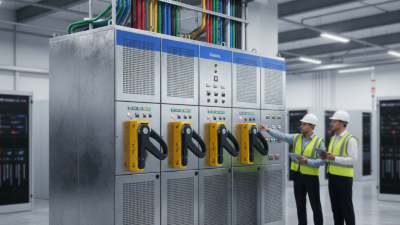
Changeover Panels are vital for ensuring seamless power transitions. They play a crucial role in maintaining energy stability for both residential and commercial applications. However, the industry grapples with challenges, such as integration with smart technologies. Some panels fall short in user-friendliness and may not provide the reliability needed. This gap highlights the need for continuous improvement and reflection in the design process.
As we analyze the future of Changeover Panels, a clear focus on efficiency, reliability, and technological integration is essential. Industry experts continue to share insights, pushing the boundaries of what is possible. It’s clear that balancing innovation with practical usability will define the next wave of advancements in this critical area.
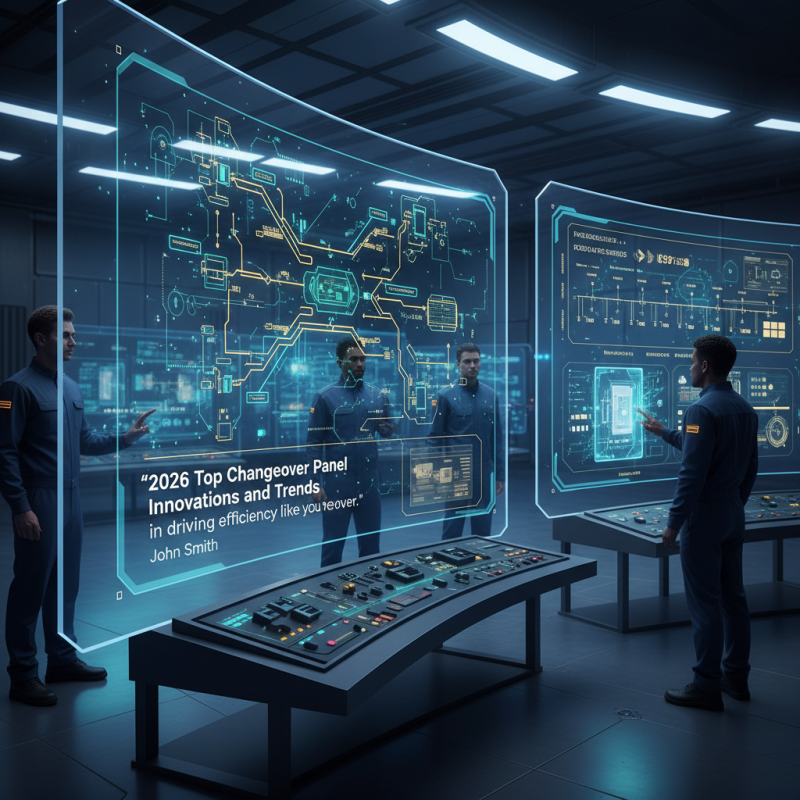
Emerging Technologies in Changeover Panel Design for 2026
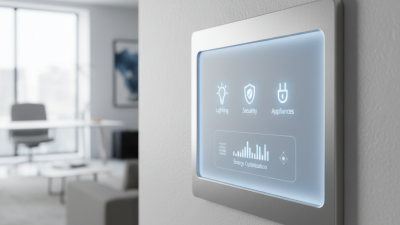
The landscape of changeover panels is evolving rapidly. In 2026, new technologies promise to enhance efficiency in power management. Smart sensors are becoming a game changer. They provide real-time data on energy consumption, enabling more informed decisions.
Another exciting trend is modular design. Panels are being crafted with interchangeable components. This allows for easier upgrades and repairs. Users can customize their setups to better fit unique needs.
However, the challenge lies in standardization. Diverse designs can create compatibility issues.
Cybersecurity is also under consideration. As panels become smarter, they need protection from potential threats. This raises questions about the balance between innovation and security. Each advancement invites scrutiny and requires careful evaluation.
The future is promising, but it must be approached with caution.
Innovations in Safety Features for Changeover Panels
The demand for changeover panels has grown significantly in recent years. Innovations in safety features are pivotal in enhancing their reliability. One notable advancement is automatic fault detection. This technology can identify issues in real-time, reducing the chances of equipment failure or operator error. Early detection can prevent extensive damage, which is crucial for maintaining system integrity.
Another critical aspect of safety innovations is the integration of remote monitoring systems. These systems provide continuous oversight without physical presence. Operators can receive alerts to any irregularities via mobile devices. This feature provides peace of mind, knowing that systems are under watchful eyes. However, reliance on technology can lead to complacency. Regular manual checks remain essential to ensure everything operates smoothly.
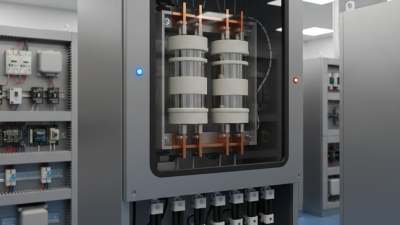
Furthermore, improved physical enclosures are becoming more common. These enclosures protect components from dust and moisture. Enhanced insulation adds another layer of safety against overheating. Yet, these advancements also require regular inspections to avoid neglect. Innovations bring great benefits, but human oversight is irreplaceable, ensuring that safety remains a top priority.
The Role of IoT in Modern Power Management Solutions
The integration of IoT in power management is revolutionary. IoT devices facilitate real-time monitoring of energy usage. According to a recent report, over 50% of companies plan to invest in IoT power solutions by 2026. This shift is pivotal for enhancing efficiency.
Smart meters and connected devices gather data on energy consumption patterns. They enable predictive analytics to optimize energy flow. Yet, many organizations struggle with data overload. Without proper frameworks, the insights can be unclear. It's not just about having data; it's about interpreting it wisely.
Despite the promise of IoT, challenges remain. Security concerns loom large as more devices connect to the grid. A survey indicated that 68% of companies worry about IoT vulnerabilities. Effective strategies to safeguard data and manage devices must be prioritized. The potential of IoT in power management is vast, but it requires careful navigation through its challenges.
Sustainable Practices in Changeover Panel Manufacturing and Usage
The shift towards sustainable practices in changeover panel manufacturing is gaining momentum. The global push for reducing carbon footprints has led many manufacturers to rethink their production processes. According to a recent market analysis, up to 75% of industry leaders now prioritize eco-friendly materials. The use of recycled metals and plastics is on the rise. However, challenges remain in sourcing these sustainable materials without sacrificing quality.
Energy efficiency is another critical component of sustainable practices. Many panels are now designed to minimize energy consumption. Data shows that optimizing power management can result in up to a 30% reduction in energy use. Although these advancements are promising, not all manufacturers are fully equipped to implement them. Some still revert to conventional methods out of cost concern or lack of awareness.
Implementation of sustainable practices also comes with its own set of challenges. Many companies struggle with the initial investment for eco-friendly technologies. Reports indicate that over 40% of small manufacturers view this as a barrier. The integration of renewable energy sources within changeover panels is still an evolving trend. There's much room for improvement as the industry seeks effective solutions to balance costs and sustainability.





 Claire
 Mr.Fu
Mr.Fu

 Claire